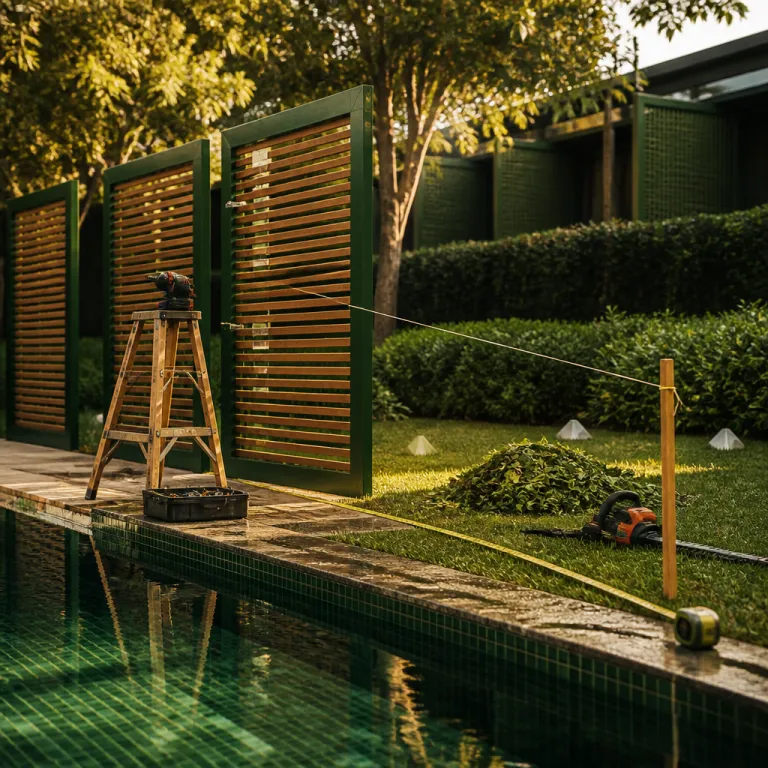
Why private pool hotel design starts with sight lines, not tiles
The most memorable private pool hotel design seclusion architecture begins long before a single pool opens to guests. Architects and landscape designers first map every possible sight line, then decide where a private pool, plunge pool or infinity pool can sit without turning swimmers into part of the corridor show. In the best hotels, the relationship between each pool, each room and the surrounding landscape feels effortless, yet it is the result of meticulous planning.
Architects working on luxury hotels with private pools now use design software and privacy simulations to test how a pool invites or repels unwanted glances throughout the day. They collaborate with landscape designers who understand how a dune in the desert, a stand of palms in Riviera Maya or a low stone wall can shield a pool villa while preserving breathtaking views. This is where modern design earns its keep, balancing the drama of stunning views with the calm assurance that no one is watching you float.
For couples booking rooms or suites, the question is simple ; does the private pool feel genuinely private once you are in the water. The answer lies in how the hotel room is oriented, how ceiling windows are angled and how terraces step down from rooms suites into villas private gardens or decks. Research hotel designs before booking, ask to see the exact room, and pay attention to how the pool offers seclusion from neighboring rooms, public paths and the main resort spine.
Visual privacy versus acoustic privacy around your private pool
Visual privacy is the obvious starting point in any private pool hotel design seclusion architecture, but acoustic privacy is what makes couples exhale. Visual privacy means that from your room, from the pool villa terrace and from the water itself, you are shielded from direct views by careful orientation, ceiling windows, screens or landscape. Acoustic privacy is different ; it is about how sound travels between pools, rooms and shared resort spaces, and whether you can hear the next villa’s sunset cocktails as clearly as your own thoughts.
Leading architects now treat sound as a design material, choosing cladding and paving that absorb rather than reflect noise around private pools and plunge pools. Rough stone, dense planting and timber screens soften echoes, while hard concrete, bare tiles and glass balustrades can bounce every laugh from one plunge pool to the next. When a pool invites you in but also funnels the soundtrack of the entire resort, the seclusion promise quietly collapses.
Hotels that take this seriously often separate spa zones, family suites and adults only rooms suites into distinct acoustic pockets. They use landscape berms, water features and even temperature controlled cascades as gentle sound barriers between each private plunge terrace. If you care about this level of comfort, read detailed reviews on heated private pool comfort and ask the property directly how they manage noise between villas private decks, especially in compact luxury hotels where every meter counts.
How landscape architecture hides you without hiding the views
Landscape architecture is the quiet hero of private pool hotel design seclusion architecture, especially in resorts built on dramatic terrain. K Studio’s work for Mediterranean hotels shows how using natural topography can tuck each private pool, plunge pool or infinity pool into the slope so that guests see only sea and sky, not the neighbor’s terrace. Instead of building high walls, they carve rooms and suites into the hillside, letting the land itself become the privacy screen.
In Mexico, projects such as Amanvari use pale concrete, natural stone and tropical wood to blend villas private decks into the surrounding landscape, so the pool villa feels like an extension of the dunes and mangroves. Here, the pool offers a direct connection to nature ; the water line aligns with the horizon, while planting and subtle level changes keep other hotel rooms out of sight. This is landscape as choreography, guiding your senses from cool stone underfoot to the shimmer of a private pool framed by low grasses.
For travelers comparing hotels with private pool suites, pay attention to how paths, planting and elevation changes separate your villa from shared resort areas. A thoughtful resort will use native trees, earth mounds and water channels to create layered privacy around private pools, rather than relying on fences that block stunning views. When you browse inspiration on platforms such as Pinterest, look beyond the surface aesthetics and ask whether the landscape design would still feel secluded once other guests arrive and start to share the same narrow pathways.
The terrace orientation problem: sea views, neighbor views and infinity pools
Every architect working on private pool hotel design seclusion architecture eventually faces the terrace orientation dilemma. Angle the pool villa directly toward the sea and you may also angle it toward three other rooms, especially in dense Riviera Maya or cliffside Mediterranean resorts. Rotate the hotel room for privacy and you risk losing those breathtaking views that guests expect from a luxury stay.
The smartest solutions treat each villa, suite and room as part of a three dimensional puzzle, staggering terraces so that sight lines overlap with the horizon rather than with other private pools. Ceiling windows are positioned to frame the ocean while avoiding direct alignment with neighboring rooms suites, and low parapets or planters subtly block cross views when guests stand at the edge of their plunge pool. This is where infinity pool design can either elevate or undermine privacy ; a dramatic cantilevered edge looks spectacular in photos, yet if it hangs over a busy path, every passerby can look straight into your water.
Some of the most successful resorts now combine partial screening with orientation, using slatted timber, perforated stone or deep overhangs to shield loungers and temperature controlled plunge pools from lateral views. When you book, ask for terrace plans or aerial images rather than relying only on close cropped marketing shots. A property that understands seclusion will be transparent about how each private plunge deck is angled, and will often have dedicated content on elevated private pool suites to help you choose the right room for your stay.
Materials, temperature and the quiet luxury of feeling unseen
Material choices are the final layer in private pool hotel design seclusion architecture, shaping both privacy and comfort. ACPV Architects, for example, bring an environmentally responsible approach to projects such as island resorts where each villa has its own pool, selecting finishes that sit softly in the landscape and reduce glare from the water surface. At Conrad Corfu, the 1960s palatial heritage and Sophie Deloudi’s flagship villa design use colonnades and deep loggias as elegant privacy filters between rooms, suites and the surrounding resort.
Hard, glossy materials can turn a private pool terrace into an echo chamber, while textured stone, timber and dense planting help absorb sound and create a cocooned atmosphere. Around spa zones and pool villas, look for materials that feel good under bare feet, stay cool in the desert sun and complement temperature controlled water so that your senses are soothed rather than overstimulated. This is where the difference between a generic hotel and a true luxury resort becomes obvious ; one feels like a stage, the other like a sanctuary.
Guests who care about these details should ask specific questions about water temperature, shading and material finishes before booking any hotel room with a private pool or plunge pool. A well designed pool invites you to linger with sunset cocktails, framed by stunning views yet shielded from other guests by thoughtful architecture and landscape. As one industry explanation puts it with clarity ; “How do hotels ensure pool privacy? Through strategic design and natural barriers.” “Are private pools common in luxury hotels? Yes, increasingly so.” “Do private pools increase room rates? Typically, yes, due to added luxury.”
FAQ
How do hotels actually ensure that a private pool is not overlooked ?
Hotels that take privacy seriously start by modeling sight lines from every adjacent room, path and terrace, then orient each private pool, plunge pool or infinity pool to avoid direct views. They combine architectural screening, such as deep overhangs and colonnades, with landscape elements like trees, berms and water features to create layered seclusion. Before you book, ask the property for terrace photos taken from neighboring rooms to verify how well this strategy works in practice.
What should I look for in photos when choosing a pool villa online ?
Focus on wide shots that show the relationship between the pool villa, surrounding rooms and shared resort spaces, not only close ups of the water. Check whether railings, paths or other balconies appear near the edge of the private pool, which can indicate potential overlooking. If the hotel shares floor plans or aerial views, study how your terrace sits within the overall landscape and whether planting or level changes protect your privacy.
Are private pools really worth the higher room rates for couples ?
For many couples, the premium for private pools is justified by the ability to swim, sunbathe and share quiet moments without other guests nearby. The value increases when the pool is temperature controlled, well oriented for views and acoustically insulated from neighboring rooms or suites. If budget is a concern, consider entry level pool suites in resorts where design quality is high across all categories, rather than the largest villas in a weaker property.
Do infinity pools always compromise privacy compared with plunge pools ?
Infinity pools are not inherently less private, but their dramatic edges are often placed in highly visible positions for the sake of views and photography. When the lip of an infinity pool cantilevers over a path or public deck, swimmers can feel exposed to anyone walking below. Compact plunge pools set into courtyards or gardens usually offer better seclusion, though they may trade some of the wide horizon views that infinity designs provide.
How can I check acoustic privacy before arriving at a resort ?
Acoustic privacy is harder to judge from photos, so rely on detailed guest reviews that mention noise between villas, suites and pool terraces. Look for descriptions of dense planting, solid walls, water features and soft materials, which all help absorb sound around private pools. If silence matters to you, contact the hotel directly and request a room away from main paths, restaurants and family activity zones.