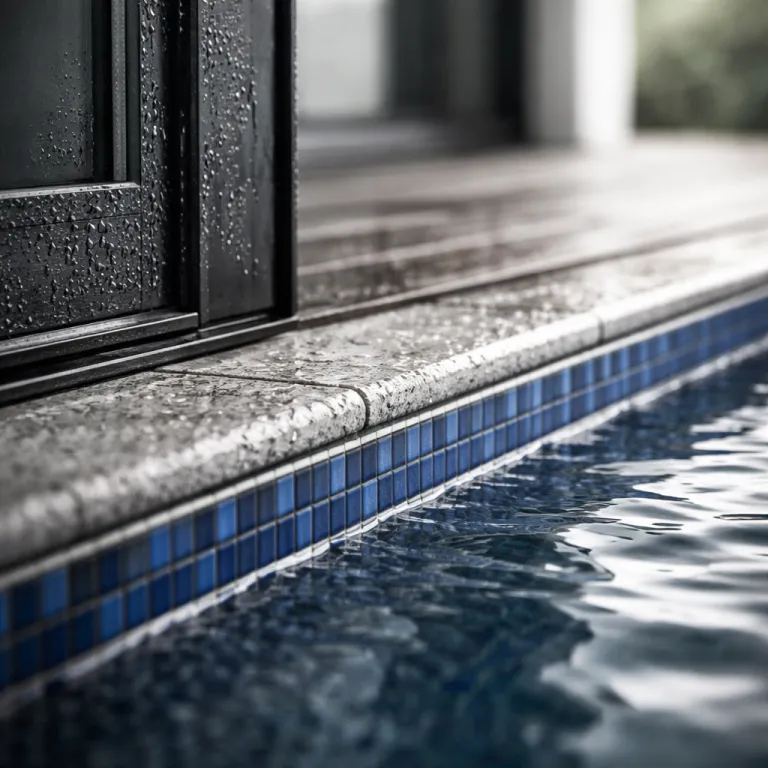
The sensory difference between indoor and outdoor private pools
Choosing between an indoor vs outdoor private pool hotel stay starts with understanding how each space feels. An outdoor private pool connects you to sky, breeze and shifting light, while an indoor pool wraps you in controlled silence where every ripple of water belongs only to you. For couples planning a romantic vacation, that sensory contrast will shape whether the pool experience feels expansive or cocooned.
In many luxury hotels, outdoor pools offer a cinematic frame for the landscape, from a luxury desert resort with a pool outdoor facing dunes to a coastal retreat where the swimming pool seems to merge with the horizon. Properties such as Amangiri in Utah or Alila Jabal Akhdar in Oman use private plunge pools to showcase dramatic scenery. Indoor pools, by contrast, rely on architecture and lighting design to create atmosphere, using stone, timber and soft indirect light so the indoor pool never feels clinical. When you book a private pool suite, ask whether the pool area is designed as a living space you will actually linger in, not just a functional lap lane.
Outdoor private pools excel when you want to feel the air shift from hot afternoon to cool evening, and when guests enjoy the sound of wind in palms or distant waves. Indoor pools offer a different intimacy, especially when paired with a spa level hot tub or hammam style steam room that turns private swimming into a full ritual. For couples who value uninterrupted privacy, an indoor pool private space can feel like a personal resort inside the hotel, while outdoor pool terraces trade a little seclusion for open sky drama.
Climate, seasonality and year round usability
Weather is the most practical argument in the indoor vs outdoor private pool hotel debate, because climate quietly dictates how often you will actually swim. In temperate or windy destinations, an outdoor pool may be unusable for 40 to 60 percent of your stay, while an indoor pool maintains stable temperature and air quality regardless of rain or desert dust. For travelers who book short breaks, that reliability can matter more than the postcard view.
Indoor pools offer consistent comfort, which is why many alpine hotels and urban spa resorts invest in indoor pools and plunge pools that operate year round without seasonal closures. For example, the indoor pools at Badrutt’s Palace in St. Moritz and the Four Seasons Hotel George V in Paris are designed for all weather use. Outdoor pools, especially an infinity pool or plunge pool perched on a cliff, reward patience with unforgettable moments when the light is perfect and the water feels exactly right. If you are planning a winter vacation or a trip to a luxury desert resort, an indoor pool with strong ventilation and dehumidification may deliver more usable hours than a windswept outdoor pool exposed to sand and temperature swings.
Cost also shapes what hotels can realistically build, and that affects what you will find when you book. Industry data from sources such as HomeAdvisor and Forbes Home indicates that the average cost of an indoor pool is around 30 000 USD, while the average cost of an outdoor pool is around 16 700 USD, and that gap often translates into higher room rates for suites with indoor pools. These figures are broad national averages rather than hotel specific budgets, but they illustrate why indoor pools tend to appear in higher tier properties. When you compare hotels with a private pool stay, look beyond the headline feature and ask whether the pool offers genuine year round comfort or only shines during a narrow high season window.
Hotels with a private pool often explain their seasonal operating patterns clearly, so read those details carefully before confirming non refundable dates.
Design, architecture and how privacy really works
The most sophisticated indoor vs outdoor private pool hotel experiences are not about size, but about how architecture choreographs your movements from bed to water. Outdoor private pools rely on orientation, landscaping and level changes to shield you from neighboring rooms, while still letting you feel part of the wider resort. Indoor pools demand more careful design so the space feels like a sanctuary rather than a tiled annex to the bathroom.
Architects and landscape designers now use design simulations and even virtual reality to preview how private pools will feel from every angle, especially in dense urban hotels where windows face other buildings. In adaptive reuse projects, where historic cellars or courtyards become pool areas, the challenge is to avoid claustrophobia by adding skylights, glass walls or internal gardens that bring in filtered daylight. When you book a room with a private pool, request floor plans or photos that show whether the pool private zone is truly enclosed or partially visible from shared corridors, and look for captions or alt text that clarify how screens, pergolas and planting protect sightlines.
Privacy is not only about walls, it is about sightlines and sound. Guidance from pool design firms such as Compass Pools and Narellan Pools is clear on one point: “Which pool type offers more privacy? Indoor pools provide greater privacy from neighbors and passersby.” For couples, that can turn a quick plunge pool dip into a longer private swimming ritual, especially when the indoor pool connects directly to the bedroom without any external doors.
For travelers who want to understand how in room pools are integrated into layouts, this guide to hotels with private pools in room offers useful visual references and planning tips.
Hybrid concepts, iconic settings and the role of place
Some of the most interesting indoor vs outdoor private pool hotel designs now blur the line between both worlds. Hybrid concepts use retractable roofs, sliding glass walls or courtyard layouts so pools offer open air swimming when the weather is kind, then transform into sheltered indoor pools when wind or rain arrives. For couples, that flexibility can feel like having two different pool experiences in one stay.
On Mediterranean islands and along dramatic caldera cliffs, architects often carve plunge pools into rock, creating semi indoor spaces where the ceiling is solid but the front opens to the sea. Properties in Santorini, for example, such as Canaves Oia Suites or Grace Hotel, have perfected this model with shaded plunge pools and infinity pool edges that frame the volcanic landscape while still offering deep privacy. If you are planning a romantic escape with a focus on iconic pool design, this curated guide to Santorini hotels with private pools and infinity pools is a strong starting point.
Urban hotels are also rethinking what a private pool can be, especially where outdoor space is limited or where noise makes an outdoor pool less relaxing. In cities such as San Diego, a luxury resort might pair an indoor pool with a small outdoor pool terrace, so guests enjoy both climate controlled laps and sunset cocktails by the water. When you compare properties in or near downtown San Diego, look at how many pools the hotel offers, whether there are separate plunge pools or hot tubs, and how the pool area connects to the spa and fitness zones.
How to choose: matching pool style to your travel profile
Deciding between an indoor vs outdoor private pool hotel is ultimately about how you like to spend time together. If your ideal vacation involves long afternoons reading by the water, occasional swimming and watching the sky change, then an outdoor pool with a generous terrace will probably feel right. Couples who prefer spa rituals, late night swims and total seclusion often find that indoor pools offer a deeper sense of escape.
Think about climate first, especially if you are drawn to a luxury desert resort or a coastal property where wind can be strong. In a hot luxury desert setting, an indoor pool or shaded plunge pool can protect you from harsh midday sun, while an outdoor pool becomes magical at dusk when temperatures drop. In milder coastal cities such as San Diego, a hotel with both indoor pools and outdoor pools gives you options, so you can swim indoors in the morning and move to the pool outdoor deck when the breeze softens.
Maintenance and cleanliness also influence the experience, even if you never see the équipe working behind the scenes. As one expert summary from pool maintenance guides notes: “Indoor pools require less cleaning due to absence of outdoor debris.” That difference often means clearer water, fewer chemical fluctuations and a more consistent swimming pool feel, which matters when you are sensitive to chlorine or planning long private swimming sessions.
When you book, ask specific questions about how many pools offer heated water, whether plunge pools are genuinely private, and if the hot tub is shared or attached to your suite. Couples who value quiet should also check whether the main pool area hosts events, because a serene infinity pool at sunrise can become a loud social hub by late afternoon.
Value, investment and what “luxury” really buys you
Behind every indoor vs outdoor private pool hotel decision lies a simple reality: indoor pools cost more to build and operate. That higher investment often appears in room pricing, especially for suites with large indoor pools that function as living rooms with water. Outdoor pools, particularly compact plunge pools, can be more economical to install, which allows some hotels to offer private pools at lower nightly rates.
From a homeowner perspective, the same logic applies when choosing between indoor and outdoor pools as long term investments. The higher construction cost of an indoor pool can be offset by year round usability and increased property value, especially in colder regions where outdoor pools sit idle for months. For hotels, the decision is similar, as they weigh whether indoor pools offer enough incremental revenue and guest satisfaction to justify the expense.
Technology is changing the equation, with smart systems that manage water quality, heating and lighting for both indoor pools and outdoor pools. Integration of natural elements, such as planted walls, skylights and stone, helps indoor pools feel more like tranquil courtyards than enclosed basements. When pools offer a strong sense of place, whether in a desert spa resort or a coastal hotel in San Diego, guests enjoy a richer experience that goes beyond the simple ability to swim.
For couples evaluating value, the key is to look past labels and focus on how you will actually use the space. If you will only take a quick plunge once a day, a smaller plunge pool or shared infinity pool might be enough, while serious swimmers should prioritize a longer indoor pool with consistent depth. When you compare hotels, read detailed reviews that describe the pool area, note whether private pools are genuinely secluded, and decide whether paying more for an indoor sanctuary aligns with how you travel.
FAQ about indoor and outdoor private pool stays
Are indoor pools really more private than outdoor pools in hotels ?
Indoor pools are usually more private because walls and controlled access limit views from neighboring rooms and public corridors. Guidance from pool specialists echoes this with the statement: “Which pool type offers more privacy? Indoor pools provide greater privacy from neighbors and passersby.” Outdoor private pools can still feel secluded when landscaping and careful orientation block sightlines, but they rarely match the total visual privacy of a well designed indoor pool.
How do maintenance needs differ between indoor and outdoor hotel pools ?
Outdoor pools are exposed to leaves, dust and insects, so they require more frequent skimming, filtration and chemical adjustments. Indoor pools are sheltered from debris, which stabilizes water quality and reduces daily cleaning demands. As specialists note: “Indoor pools require less cleaning due to absence of outdoor debris.”
Is an indoor private pool worth the higher room rate ?
Suites with indoor pools often cost more because construction and operating expenses are higher than for outdoor pools. The upgrade is usually worthwhile if you value year round swimming, late night privacy and spa like rituals that do not depend on weather. If you mainly want a quick cool down on sunny days, a more affordable outdoor plunge pool or shared infinity pool may offer better value.
Which type of private pool is better for a desert or very hot climate ?
In very hot or desert climates, shaded indoor pools or semi indoor plunge pools protect you from intense sun and wind during peak hours. Outdoor pools become more comfortable at sunrise and sunset, when temperatures drop and the light softens. Many luxury desert resorts now combine both, offering indoor pools for daytime use and outdoor pools for evening swims.
What should couples ask before booking a hotel with a private pool ?
Couples should ask whether the pool is fully private or partially overlooked, how large the pool area is and whether the water is heated year round. It is also worth confirming if the hot tub is exclusive to the room, whether there are any time restrictions on using the pool, and how close the pool is to noisy public spaces. Clear answers to these questions help you choose between an indoor vs outdoor private pool hotel stay that genuinely matches your expectations.