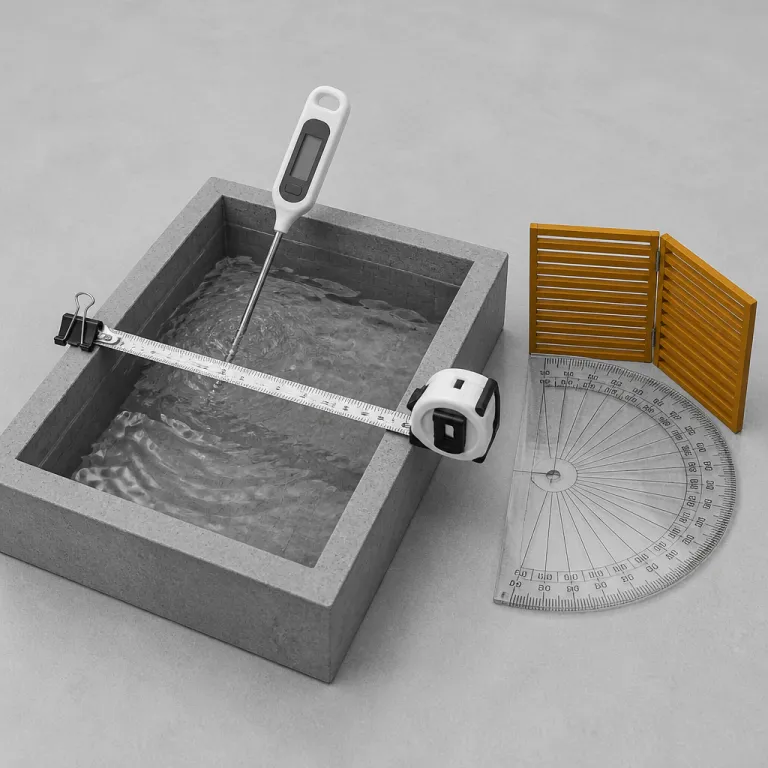
How to read a private pool listing: size, temperature, and privacy decoded
When you scan a hotel description, the phrase “private pool” can mean many different things. Some properties use it for compact plunge pools that cool you down but never feel like a real swimming pool, while others reserve it for generous basins where you can actually swim several strokes in deep blue water. To understand what a private pool hotel is really offering in terms of size, water temperature, and seclusion, you need to read beyond the headline and check the fine print about dimensions, heating, and how the pool sits in relation to other rooms.
Start with size, because the pool’s footprint dictates what you can realistically do during your pool time. A plunge pool of around 3 by 2 metres is perfect for a quick dip on a hot day, but it will never replace the feel of a 6 by 4 metre swimming pool where you can glide, float, and share the space as a couple without bumping knees. When a hotel simply writes “private pools available in selected rooms”, you should always ask what the exact measurements are and whether the pool sits on a terrace, in a garden, or behind a glass wall inside the room.
Temperature comes next, and it matters more than many travelers expect. Even in warm destinations, pool water can feel surprisingly cold at sunrise or after sunset, so heated pools transform a quick splash into a long, slow swim that stretches your day. When you evaluate any pool a hotel offers, look for clear wording about heating and cooling systems, ask whether the water temperature is adjustable, and check if heating is included in the rate or charged per day.
When a plunge pool is enough and when you need a true swimming pool
Not all private pools are designed for the same kind of stay, and that is where expectations often clash with reality. A compact plunge pool attached to a city hotel can be the best way to cool off between meetings, especially for couples turning a work trip into a bleisure escape and using a private pool suite as their quiet office with a view. For that kind of stay, the main content of your decision is less about lap length and more about how the pool sits in relation to the sun, the views, and the privacy from neighboring rooms.
For longer holidays, especially in resort hotels or private villas, many couples want a swimming pool that feels like their own small resort. In that case, size becomes a practical checklist: you will find that anything under roughly 10 by 3 metres feels like a plunge pool, while larger pools invite real swimming, floating, and shared pool time that lasts for hours. When you book, ask the reservations team whether the pool water is deep enough for comfortable swimming, whether the design allows two people to swim side by side, and what the typical water temperature range is across the season.
Business travelers extending their stay in the United States or Europe often use a private pool as a decompression ritual after long days. For them, the question is not only what size pool they get, but also whether hotel pools are heated by default or only on request, and how quickly the heating and cooling system can work. If you are planning a similar stay, check the property’s policy in advance and look for guest reviews that mention exact pool dimensions, notes on how warm the water felt at different times of day, or even photos that show a thermometer or control panel near the terrace.
Temperature as a luxury metric: when heated pools change everything
Water temperature is the invisible line between a pool you admire and a pool you actually use. Energy specialists suggest that “78°F to 82°F is recommended for general swimming,” and that range translates to roughly 25 to 28 degrees Celsius, which most couples find comfortable for long sessions. When you evaluate a private pool stay, ask whether the hotel can maintain that water temperature consistently or whether it fluctuates with the weather.
Some resorts now publish typical seasonal temperature ranges for their private pools, based on simple daily logs taken at morning and late afternoon. A sample chart might show 24–26°C in April, 26–28°C in May and June, and 28–30°C in peak summer, with a note explaining whether those figures rely on active heating or just ambient air. When you compare hotels that share this kind of data with properties where heating is optional and undocumented, the difference in how often you will feel like swimming becomes obvious, especially on windy evenings or outside high season.
Another useful benchmark comes from mixed-inventory hotels, where only some suites include a private swimming pool. In such properties, you need to check carefully which room types offer heated pools, which rely on the sun to warm the water, and whether any infinity pool options are reserved for higher categories. For extra reassurance, ask the hotel to send a recent photo of the pool control panel, a short note on the target temperature they aim for, or a simple sketch showing the pool’s position in relation to the sun and prevailing wind.
Privacy in practice: angles, sightlines, and the architecture of seclusion
True privacy is not a marketing adjective; it is an architectural decision. A private pool only feels genuinely private when the water sits out of sight from corridors, neighboring terraces, and staff walkways, so that you can swim, read, and relax without adjusting your behavior. When you look at any hotel gallery, pay attention to where the camera stands, because wide-angle photos can hide the fact that other rooms or shared pools overlook your terrace.
Privacy has several layers, and each one affects how you will feel during your stay. Visual privacy means no direct line of sight from other pools, rooms, or public areas, while acoustic privacy means you are not constantly hearing the next villa’s speaker or the clatter from a restaurant below. When you book private villas or suites in large hotels, ask the reservations team to describe exactly what the views are from your pool and whether any staff routes pass in front of your swimming area during turndown or housekeeping time.
Some of the most successful designs use clever screening rather than high walls, combining planters, louvers, and level changes so the pool water still catches the light while you remain unseen. Infinity edges can be spectacular, but they sometimes trade privacy for drama, especially when the pool sits above a path or another row of rooms. Before you commit, check guest photos, study any available sketches or floor plans, and remember that the main content of a private pool stay is the feeling of being unobserved, not just the promise of a plunge.
The pre booking questionnaire: what to ask before you commit
Couples who care about private pools should treat the booking process like a short interview. Instead of relying on generic descriptions, send the hotel a concise list of questions that clarifies size, water temperature, privacy, and how the pool will work for your specific stay. This is where you move from glossy images to precise data that let you compare hotels on more than just price.
Start by asking for the exact pool dimensions in metres, including length, width, and average depth, and request a simple sketch if the design is irregular. Then ask whether the pool water is heated, what the standard temperature range is, and whether heating or cooling is included in the nightly rate or charged separately by day. You should also check how many rooms in the category actually have private pools, because phrases like “selected rooms with pool access” can hide the fact that only a small fraction of the inventory offers a true private swimming experience.
Finally, ask three specific privacy questions that go beyond marketing language. First, from where can the pool be seen — other rooms, shared hotel areas, or staff paths — and at what angles during the day. Second, what kind of visual filter or screening is used around the terrace, and note that details such as frosted glass, planters, or high walls make a big difference to how you feel in your private space. Third, confirm whether your pool sits above, below, or level with neighboring villas or other pools, because that single detail often decides whether your stay feels like a sanctuary or a stage.
FAQ
What is the ideal water temperature for a private pool stay ?
For most couples, a comfortable water temperature for recreational swimming sits between 25 and 28 degrees Celsius, which corresponds to roughly 78 to 82 degrees Fahrenheit. This range allows you to stay in the pool for extended periods without feeling chilled, even during early morning or evening pool time. When you book, ask the hotel whether their heated pools can maintain that water temperature consistently and whether heating or cooling is included in the rate.
How large should a private pool be to feel like a real swimming pool ?
A private pool begins to feel like a true swimming pool rather than a plunge pool when it reaches around 10 metres in length and at least 3 metres in width. That size allows two people to swim short laps, float side by side, and use the space for more than a quick cool down. If the hotel cannot provide exact dimensions, insist on a clear description of the pool design and depth before you book.
How can I check whether a private pool is genuinely private ?
To assess privacy, ask the hotel from which angles the pool can be seen and whether any rooms, public areas, or staff walkways overlook the terrace. Request recent photos taken from inside the room and from the pool itself, not only from marketing shoots that may skip main sightlines. You can also ask whether any physical filter such as screens, hedges, or walls protects the pool from direct views.
What should I look for in hotel listings that mention private pools ?
When a listing mentions private pools, read carefully to see whether all rooms include them or only certain categories. Look for specific details about water heating, size in metres, and whether the pool sits outdoors on a terrace, in a garden, or partially indoors. If the main content of the description feels vague, contact the property directly and ask targeted questions about size, water temperature, and privacy.
Are private pool stays worth the premium price in luxury hotels ?
For couples who value seclusion, flexible swimming time, and the ability to relax without sharing hotel pools, a private pool stay often justifies the higher rate. The key is to ensure that the pool meets your expectations on size, water temperature, and privacy, so you actually use it throughout the day. When those three metrics align with your needs, the private pool becomes the defining feature of the hotel experience rather than an underused extra.