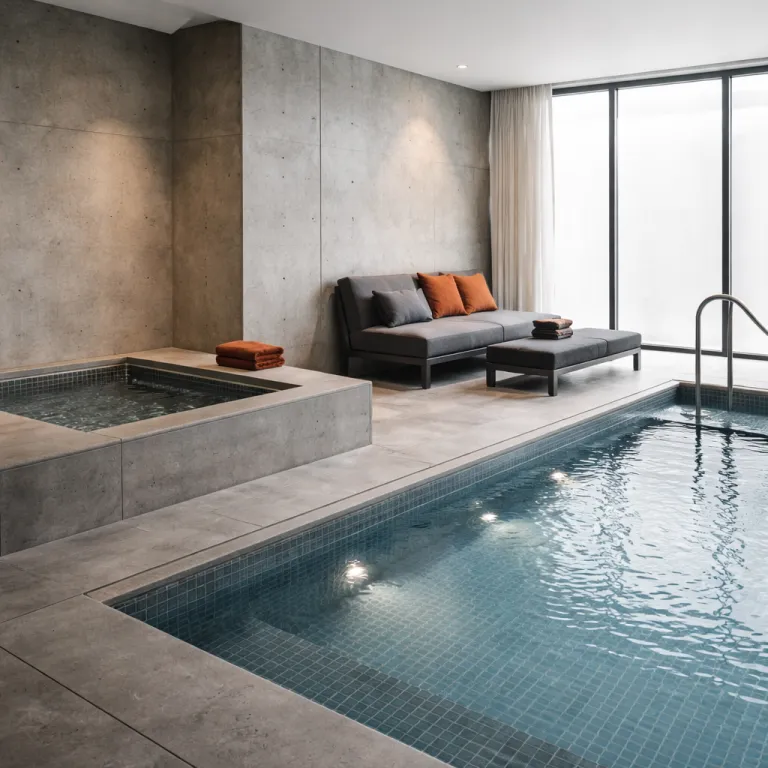
From private pool fantasy to wellness pool suite reality
A wellness pool suite hotel is no longer just a place where a private pool looks good in photos. It is a calibrated environment where water temperature, pool depth, and light are tuned for recovery, not only for leisure. In the best hotels, the pool suite becomes a personal spa circuit that you can use before sunrise or after a long-haul travel day.
Think of it as a bedroom suite fused with a hydrotherapy studio, where the hotel room layout gives equal importance to the mattress and the plunge pool. The most forward-thinking hotels design and screen their wellness zones carefully, so your private pools are not visible from corridors or neighboring suites, and the terrace feels like a contained sanctuary. This is where a luxury resort earns its premium, because genuine seclusion is harder to engineer than a large infinity pool facing the bay.
Across the United States, properties such as Four Seasons Hotel Los Angeles at Beverly Hills, Chileno Bay Resort & Residences, and Carneros Resort and Spa are quietly shifting from simple pool suites to fully integrated wellness suites. They add in-room fitness tools, circadian lighting, and access to mineral pools or hot springs, which turns a standard pool suite into a wellness pool suite hotel experience. For solo travelers, that means you can book one suite and have a gym, spa, and private plunge pools without leaving your room; as one frequent guest described it, “I can land, swim, stretch, and sleep without ever walking through a lobby.”
Cold plunges, contrast therapy and the science behind the water
The difference between a regular pool and a wellness-focused plunge pool is purpose. A standard hotel pool is built for floating and socializing, while a wellness pool suite hotel designs its plunge pools around time, temperature, and recovery protocols. That is why you now see cold plunge basins next to heated private pools in high-end suites and villas.
Biohacking culture has pushed cold water into the mainstream, and hotels are responding with structured contrast therapy circuits. Many wellness programs now suggest cold plunge temperatures in the 50–59°F (10–15°C) range for short immersions, with warm pools or saunas at 100–104°F (38–40°C) for the heat phase. At Avalon Hotel Beverly Hills, for example, the penthouse wellness suite combines a private sauna with a cold plunge so you can move from heat to icy water in controlled intervals, rather than improvising in a crowded spa. Murrieta Hot Springs Resort in Southern California goes further by pairing hot spring pools with cooler zones, letting guests create their own hot-cold sequences without leaving the property.
When you compare wellness pool suites at a Caribbean resort with those in urban hotels, the best setups share one trait: they make the protocol effortless. Clear instructions in the hotel room, intuitive controls for the private pool temperature, and staff trained to explain safe cold exposure turn a trend into a usable ritual. If you are planning to book a pool suite for serious recovery, look for suites or pool villas that mention contrast therapy, private plunge options, and flexible water temperatures rather than only highlighting views of the beach. A 2022 overview of cold-water immersion research in the International Journal of Environmental Research and Public Health noted that gradual exposure, time limits, and medical screening are key, so hotels that reference these basics in their materials are usually thinking beyond marketing.
Mineral, salt and geothermal pools; when water composition matters
Not every pool in a wellness pool suite hotel is about temperature; some are about chemistry. Mineral-rich water, whether from geothermal sources or carefully balanced salt systems, changes how your body feels during and after a swim. UpValley Inn & Hot Springs in California, for instance, channels geothermal mineral water into its pools, turning a simple dip into a low-key balneotherapy-style session with naturally occurring minerals such as calcium, magnesium, and bicarbonate.
In a luxury resort context, you will often see saltwater infinity pool designs that reduce the harshness of traditional chlorination. These systems typically use lower free-chlorine levels, which can mean less eye sting and a softer feel on the skin. For solo travelers who want to swim laps at dawn, that means less irritation and a smoother transition between sea and pool, especially in Caribbean hotels where you move between the ocean and the deck all day. Some wellness suites even add soaking tubs with higher mineral concentrations inside the villa, so you can alternate between the outdoor private pool and an indoor bath without sharing facilities; in many cases, these tubs are drained and refilled between guests or on a strict schedule, which keeps the experience closer to a spa treatment than a standard bath.
When you compare options in destinations like Costa Rica or Sri Lanka, pay attention to how clearly hotels describe their pools. A vague reference to natural water is not enough; you want to know whether the pool villas use geothermal sources, whether the plunge pool on your terrace is chlorinated or saline, and how often the water is cycled. Many high-end properties now specify turnover rates of several complete water exchanges per day in small plunge pools, along with multi-stage filtration that can include sand filters, UV treatment, and ozone. This level of detail separates marketing language from a genuinely therapeutic pool suite, and it is worth asking before you book your next hotel room with private pools.
Why wellness pool suites cost more – and when the premium pays off
Wellness pool suites usually command a 30 to 50 percent premium over standard pool suites in the same hotel. That price gap reflects more than a larger private pool; it covers specialized filtration, advanced lighting, in-room fitness equipment, and often direct access to spa teams or wellness concierges. For solo travelers, the question is whether those extras translate into better sleep, faster recovery, and a calmer mind during a short stay.
Data from the Global Wellness Institute indicates that wellness tourism has been growing steadily, with wellness-focused trips expanding faster than overall tourism in the years leading up to 2022. In its 2023 “Global Wellness Economy Monitor,” the organization estimated that wellness tourism reached hundreds of billions of dollars in annual spending and projected continued growth through 2025. Major groups have noticed, which is why Kerzner’s SIRO brand in Brickell is building Fitness and Recovery Labs rather than treating wellness as a side activity. When a resort invests at that level, the wellness pool suite hotel becomes part of a wider ecosystem that might include nutrition guidance, movement classes, and technology-driven recovery tools.
To decide whether the higher rates are justified, compare what you would otherwise spend on separate spa treatments, day passes, and fitness access. A well-designed pool suite with a private plunge pool, hydrotherapy jets, and a quiet terrace can replace several external bookings, especially in destinations like Riviera Maya or the Caribbean where Caribbean hotels often charge resort fees for shared facilities. If the suite lets you maintain your routine without leaving your room, the premium can feel less like indulgence and more like efficient travel planning; one hotel wellness director summed it up as “front-loading the cost of care into the room, so guests do not have to keep swiping their card every time they want to feel better.”
How to choose the right wellness pool suite for a solo escape
Selecting a wellness pool suite hotel as a solo traveler starts with clarity about how you actually use water. Do you want a long lap pool for daily training, or a compact plunge pool for short, intense sessions between meetings? Your answer will determine whether you focus on large pool suites or more intimate pool villas with deep, shaded basins; many plunge-style pools are around 4–5 feet (1.2–1.5 meters) deep, which is ideal for standing immersions and slow movement rather than diving.
Layout matters as much as size, because a private pool that is visible from neighboring hotels or from the main path is not truly private. Look for floor plans where the pool suite wraps the water on at least two sides, creating a courtyard effect that shields you while you read, stretch, or meditate. Guides such as a detailed overview of how to choose the perfect hotel room with a private pool near you can help you decode photos and spot when a so-called private pool is actually overlooked. Guest reviews that mention sightlines, noise, and how easy it is to move between bed, bathroom, and pool are often more revealing than the official description.
Destination also shapes the experience; a wellness-focused villa in Costa Rica will lean into jungle immersion, while a Caribbean resort like Jade Mountain or a property near Yao Noi might emphasize panoramic views over the bay. Urban hotels such as Downtown L.A. Proper Hotel or Four Seasons Hotel Los Angeles at Beverly Hills use indoor pools and wellness suites to create a cocoon above the city, which suits business travel. If you are chasing pure relaxation, resources that highlight 5 star hotels with private pools are useful starting points, but always cross-check whether the suite you plan to book is a true wellness configuration or simply a luxury hotel room with a plunge pool on the balcony.
Iconic wellness pool suites worldwide; from Caribbean sanctuaries to urban retreats
Certain properties have become reference points for the wellness pool suite hotel trend, especially among travelers obsessed with private pools. In the Caribbean, Jade Mountain in Saint Lucia is often cited for its open-air sanctuaries, where each suite has a private infinity pool that frames the Pitons and blurs the line between hotel and landscape. These are not just photogenic pools; the depth, orientation, and quietness make them ideal for slow, meditative swimming at sunrise.
On the branded luxury side, The Ritz-Carlton portfolio and The Ritz-Carlton Reserve properties show how large groups interpret wellness pool suites. Some resorts pair a bedroom suite with a semi-open bathroom and a private plunge pool, while others create full pool villas where you can move from bed to water in three steps. In Asia, islands near Yao Noi and coastal regions of Sri Lanka offer villas and hotels private enough that your pool faces only jungle or sea, which suits solo travelers who value silence over scene.
Across the Caribbean and Riviera Maya, you will find resort layouts where every villa or suite has some form of private pool, but only a subset qualify as wellness-focused. Look for language about hydrotherapy, recovery, and in-room equipment rather than only the word luxury or best views of the beach. Whether you are comparing Caribbean hotels, urban wellness suites in Los Angeles, or hillside retreats in Costa Rica, the same rule applies: the more precisely a hotel describes its pool suites and wellness features, the more likely it is that the experience has been designed rather than simply decorated.
FAQ
What exactly is a wellness pool suite in a hotel?
A wellness pool suite in a hotel is a room or suite that combines a private pool or plunge pool with health-focused amenities such as in-room fitness equipment, spa-style bathrooms, and often access to specialized wellness services. It goes beyond a standard pool suite by integrating features like adjustable water temperatures, hydrotherapy jets, and sometimes mineral or saltwater systems. The goal is to support sleep, recovery, and relaxation rather than only provide a place to swim.
Do wellness pool suites always include a private pool?
Many wellness suites include a private pool, plunge pool, or hot tub, but not all of them do. Some hotels focus on in-room fitness, air quality, and sleep technology while offering access to shared thermal circuits or mineral pools elsewhere in the resort. When you book, check whether the wellness suite description explicitly mentions private pools attached to the room or villa.
Are wellness pool suites worth the higher rates for solo travelers?
For solo travelers who value routine and recovery, wellness pool suites can justify their higher rates by replacing multiple external spa visits and gym passes. Having a private plunge pool, quiet terrace, and in-room equipment lets you structure your day without navigating busy shared pools or spa reception desks. If you mainly want a view and a place to cool off, a standard pool suite in the same hotel may offer better value.
How can I tell if a private pool is truly private before I book?
Study floor plans and aerial photos to see whether the pool is overlooked by other suites, paths, or public areas. Reviews and detailed guides to choosing a hotel room with a private pool can also reveal when a so-called private pool is visible from hallways or neighboring balconies. If privacy is essential, email the hotel directly and ask whether your pool suite or villa faces other buildings or only the garden, jungle, or bay.
What should I look for in a wellness pool suite if I am new to cold plunges?
If you are new to cold plunges, prioritize suites or villas where the hotel provides clear guidance on safe use and where staff are trained to explain basic protocols. Look for a wellness pool suite hotel that offers both a heated pool and a smaller plunge pool, so you can experiment with short cold exposures followed by warm recovery. Avoid very remote setups without on-site support until you are comfortable with how your body responds to cold water.