Spa suites with private hydrotherapy pools: how to choose a true in‑room wellness circuit
The new frontier of spa wellness: when your suite becomes the circuit
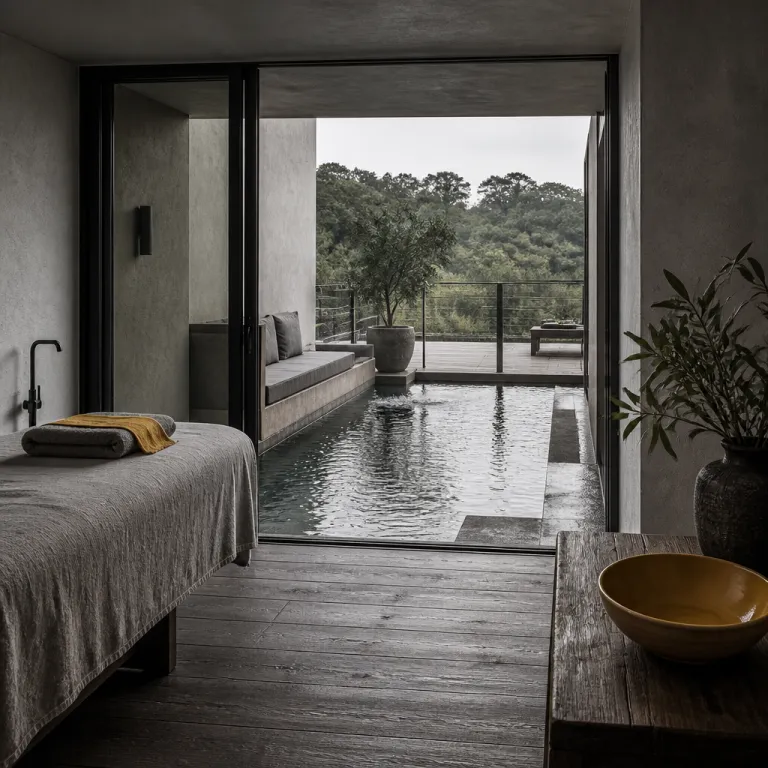
A true private hydrotherapy suite stay begins the moment you close the door and hear only the soft sounds of water. In the best hotel spa suites, the experience is designed as a complete in room thermal circuit where the treatment room meets the terrace and the pool belongs only to you, so every movement between warm water, cold plunge and steam room feels intentional rather than improvised. This kind of integrated spa experience invites couples to move slowly, listen to the sounds of nature outside the glass and let the body reset in a space that offers tranquil privacy.
In these suites, wellness is not an add on but the architecture itself, with the pool, steam rooms and sometimes a Finnish sauna arranged to guide spa guests through a sequence of temperatures that support circulation, muscle recovery and mental balance relaxation. The experience designed by serious spa wellness teams borrows from traditional bath experience rituals, yet it is adapted for modern travelers who want to book a private sanctuary rather than share a crowded resort thermal area. A well planned spa experience invites guests with years of different travel styles to use the same space differently, whether for morning yoga beside the water or a late night hydrotherapy session after a long flight.
Specialist properties have pushed this idea further, creating suites where the massage table, steam room and hydrotherapy pool sit within a few steps of the bed, so the line between treatment and terrace almost disappears. Oakwell Beer Spa in Denver, for example, offers private spa suites with cedar soaking tubs and hydrotherapy style beer baths that turn a simple soak into a multi stage treatment, while Ojo Spa Resorts in New Mexico builds mineral soaking pools directly into cliffside suites so the healing water is always within reach. Across these stays, the common thread is a private hydrotherapy pool philosophy designed to encourage unhurried rituals rather than quick dips between sightseeing.
Inside the private hydrotherapy circuit: hot, cold and everything between
Think of a serious in room hydrotherapy circuit as a loop rather than a single pool, with each element tuned to a specific effect on the body. You might start in warm water at around 36–38°C (97–100°F) to relax muscles, move into a steam room set near 45°C (113°F) to open pores, then step into a cold plunge that drops below 15°C (59°F), sending a sharp signal through the nervous system and leaving you startlingly alert. The best suites are designed so this experience invites you to move intuitively between zones, without ever leaving the privacy of your own terrace or indoor spa space.
Temperature contrast therapy relies on alternating hot and cold to stimulate circulation, and many resort designers now build this directly into couples spa suites. A Finnish sauna or dry heat cabin raises the core temperature to roughly 80–90°C (176–194°F), followed by a cold plunge pool or even a cold shower that tightens blood vessels and supports recovery, then back to a warm hydrotherapy pool for deeper relaxation. When this experience designed circuit sits inside your suite, you can stretch the ritual over hours, pausing for tea, reading or quiet yoga between treatments instead of watching the clock in a shared hotel spa corridor.
Some properties extend the idea further with sensory details that balance relaxation and alertness, such as dimmable lighting, curated sounds of nature and aromatherapy that shifts from energising citrus to calming woods as the evening progresses. At large destination spas like JW Marriott Scottsdale Camelback Inn Resort & Spa in Arizona, the spa complex is publicly described as spanning roughly 32,000 square feet, with hydrotherapy pools, cold plunges, heat circuits, sauna, steam and salt and ice rooms that show how complex these journeys can become, and the most ambitious suites now miniaturise that logic for private use. For a deeper dive into how hot cold rituals shape a full day, guides to the 24 hour private pool ritual on specialist platforms such as from cold plunge at dawn to warm soak at midnight can help you plan your own in room sequence.
Where the treatment room meets the terrace: real suites that get it right
Not every room with a plunge tub qualifies as a private hydrotherapy suite sanctuary, because the difference lies in how the space is designed rather than in a single amenity. At H2O Suites Hotel in Key West, for instance, the private plunge pools attached to certain suites feel like extensions of the living area, yet they still lack the full hydrotherapy circuit of steam, sauna and treatment space that defines a complete in room spa experience. By contrast, Sybaris Pool Suites in the Midwest, with Aqua Hydropool Suites that integrate private swim spas functioning as both pool and hydrotherapy system, turn the terrace or dedicated pool room into a genuine treatment zone.
Some European properties now offer couples spa suites where the treatment room meets the terrace through glass, so you can move from massage table to warm pool without crossing a public corridor. Conrad Spa Corfu in Greece, for example, includes a couple’s suite with private sauna and hammam, an infrared sauna and a snow shower, creating a hot cold sequence that rivals many shared thermal areas. At Hilton Chania in Crete, the L’Occitane en Provence spa features a heated indoor pool, sauna and steam bath that, while not always in suite, still informs how high end hotel spa designers think about integrating water and heat into private spaces.
Beyond large resorts, smaller players such as Ceci Luxury Suites in Greece and Ojo Spa Resorts show how a focused concept can deliver a powerful spa wellness impact, with private pools, jacuzzis and mineral soaking pools that support both physical healing and emotional relaxation. Oakwell Beer Spa’s private suites, with their hydrotherapy tubs and curated bath experience, demonstrate how even urban properties can create a tranquil circuit that feels far from city noise. For travelers who want this level of detail in nature, rainforest focused wellness stays like those highlighted in dedicated guides to Nayara style spa experiences at Arenal Volcano, such as rainforest wellness at the foot of a volcano, show how water, steam rooms and the sounds of nature can be woven into a single, deeply private ritual.
Couples versus solo spa suites: design, pricing and how to book smart
Couples oriented spa layouts are usually designed to encourage shared rituals, with double loungers by the pool, twin treatment tables and steam rooms sized for two. The hydrotherapy pool often sits where both partners can look out toward a garden, lake or city skyline, while the Finnish sauna or steam room is tucked slightly deeper into the suite for a more cocooned feeling. Solo focused suites, by contrast, may prioritise a single deep soaking tub, a compact cold plunge and a generous yoga or meditation area where one person can stretch, breathe and listen to the sounds of nature without distraction.
Pricing reflects these design choices, and couples suites with full spa treatments included can sit significantly above standard pool suites, especially in high demand wellness resorts. Many properties structure packages where the spa experience invites guests to combine in room hydrotherapy with scheduled massages, facials or body treatments, often at a better rate than booking each element separately. When you book, ask whether the experience designed package includes private use of steam rooms, cold plunge pools or morning yoga sessions, because these details determine whether the suite feels like a true spa wellness hub or simply a room with a nice bath.
Availability is another quiet differentiator, since premium wellness suites in popular destinations are often reserved well in advance, driven by a documented rise in wellness tourism and growing demand for private wellness amenities. That means spa guests who value specific layouts, such as suites with both a hydrotherapy pool and a Finnish sauna, should book several months ahead, especially for weekends or peak seasons. For couples balancing romance with family travel, curated guides to family friendly private pool hotels that adults actually want to stay in, such as family friendly private pool hotels that adults actually want to stay in, can help you find properties where the spa suite remains a calm, adult focused zone.
How to read between the lines: from marketing language to real wellness
Marketing copy for in room hydrotherapy suites often blurs the line between a simple jetted tub and a true hydrotherapy circuit, so careful reading matters. Look for concrete mentions of features such as a dedicated steam room, separate steam rooms for different temperatures, a genuine cold plunge pool and, ideally, a Finnish sauna or infrared cabin, because these elements indicate a serious approach to thermal therapy. Phrases like “experience designed to balance relaxation and rejuvenation” are only meaningful when backed by details about water depth, temperature ranges and how the space is laid out for movement between hot and cold.
Authentic spa wellness stays also tend to reference specific rituals, such as guided morning yoga on the terrace, curated bath experience menus or in suite spa treatments that use the pool and steam as part of the protocol rather than as background décor. When a resort notes that the spa experience invites guests to follow a suggested sequence, moving from warm hydrotherapy to cold immersion and then to quiet relaxation, you can be more confident that the suite was designed to encourage intentional use. By contrast, vague mentions of “private spa access” without clarifying whether this means an in room pool or simply entry to a shared hotel spa area should prompt follow up questions before you book.
Industry commentary from hotel spa consultants notes that integrating spa facilities directly into accommodation tends to increase guest satisfaction and loyalty, especially among travelers who have been spa guests for many years and know the difference between cosmetic and structural wellness design. Expert summaries also highlight that “a luxury accommodation featuring an in room hydrotherapy pool for private use” and “many provide in room spa treatments and wellness services” are now baseline expectations rather than rare perks in the upper tier of this market. As one therapist at a European destination spa put it in a recent interview, “When the water, heat and light are all within reach of the bed, guests finally stop rushing and start listening to what their bodies need.”
Design details that change everything: light, sound and the feel of water
Beyond the obvious checklist of pool, steam and sauna, the most memorable in room thermal circuits pay obsessive attention to sensory detail. Water temperature is calibrated so the main pool feels like an embrace rather than a bath, the cold plunge is genuinely bracing and the steam room holds steady humidity without feeling oppressive. These suites are often designed so the sounds of nature, whether waves, wind or distant wildlife, filter in just enough to frame the experience without overwhelming the tranquil interior.
Lighting is another quiet luxury, with dimmable circuits that shift from bright, energising tones for morning yoga to warm, candle like glows for late night relaxation by the water. Some designers position the hydrotherapy pool to catch first light, turning sunrise into a daily treatment, while placing the Finnish sauna and steam rooms deeper inside the suite for a more introspective mood. When the bath experience is this carefully tuned, the spa experience invites you to stay longer in each zone, noticing how the body responds to temperature, texture and sound rather than rushing through a checklist of treatments.
Materials matter as well, from stone that holds warmth under bare feet to woods that release a subtle scent when heated in the sauna, reinforcing the sense of healing through every surface you touch. In mountain settings, suites may frame a lake or forest view so that each immersion in the pool feels connected to the landscape, while urban properties might use vertical gardens and curated soundscapes to simulate the same balance relaxation. Across these variations, the most successful designs encourage spa guests to feel that the entire room, not just the pool, is part of a coherent spa wellness journey that begins and ends on their own terrace.
FAQ
What exactly is a spa suite with a private hydrotherapy pool ?
A spa suite with a private hydrotherapy pool is a luxury accommodation where a dedicated pool, often with jets and temperature control, is built directly into the room or terrace for exclusive use. Unlike a standard room with a bathtub, it usually forms part of a small thermal circuit that can include a steam room, sauna or cold plunge. This setup allows you to follow a structured wellness ritual without leaving your own space.
Are spa suites with private pools available throughout the year ?
Most spa suites with private hydrotherapy pools are available year round, especially in resorts where wellness is a core part of the brand. In colder climates, outdoor pools may be heated and complemented by indoor steam rooms or saunas to keep the experience comfortable in every season. It is still wise to check seasonal maintenance periods when you book, as some properties close specific facilities for upgrades.
Do these suites usually include additional spa treatments ?
Many spa suites offer the option of in room spa treatments, such as massages, facials or body rituals that use the pool and steam as part of the protocol. Some hotels sell packages where a certain number of treatments are bundled with the suite rate, often at better value than booking à la carte. When comparing offers, ask whether therapists come to the suite or whether treatments take place in a separate hotel spa area.
How can I tell if a suite has a real hydrotherapy circuit and not just a tub ?
A genuine hydrotherapy circuit will usually list specific features such as a hydrotherapy pool with jets, a cold plunge, a steam room and either a Finnish sauna or similar heat cabin. Photos should show how these elements connect physically, ideally within the suite rather than down a corridor. If the description is vague, contact the property directly and request a floor plan or detailed amenity list before confirming your reservation.
Is a private hydrotherapy suite worth the premium price for couples ?
For couples who value privacy, unhurried rituals and the ability to use spa facilities at any hour, a private hydrotherapy suite can justify the higher rate. The convenience of moving from bed to pool to steam without sharing space with other guests often transforms a short stay into a more restorative break. If budget is a concern, consider travelling midweek or outside peak seasons, when many resorts offer better pricing on their top wellness suites.