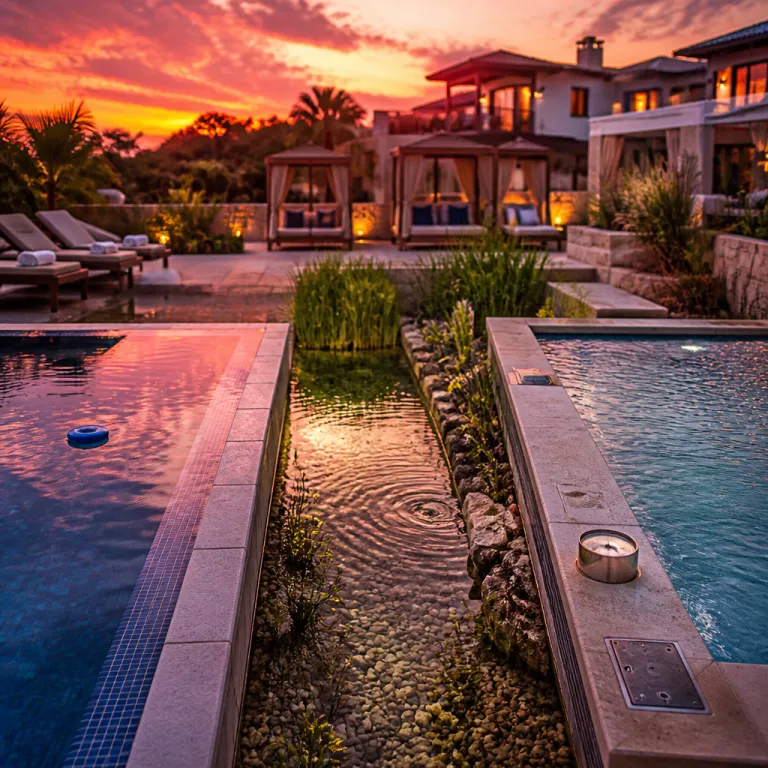
Reading a hotel’s values through its private pool water
Step onto a terrace where the pool water is yours alone, and the chemistry behind that shimmering surface quietly reveals how the hotel thinks about comfort, sustainability, and long term operating costs. In luxury and premium properties, the choice between saltwater sanitation, conventional chlorine, or natural filtration is rarely a technical afterthought; it is a strategic decision made by Hotel Management to balance guest health, brand image, and the reality of energy and water use. When you book a suite with a private swimming pool, you are also choosing between saltwater pools, chlorinated pools, and increasingly, natural pools that rely on plants and gravel instead of purely chemical systems.
Behind the scenes, Maintenance Staff test pool water daily, adjust disinfectant levels, and monitor each saltwater system or traditional chlorine system with test kits, filtration systems, and chemical feeders. These pools require regular maintenance to keep the water clear, protect guest skin and eyes, and align with health regulations enforced by local health inspectors and specialist pool service companies. The selected treatment method—salt based chlorination, standard chlorine dosing, or natural filtration—directly affects how often systems require upgrades, how much the hotel spends on maintenance costs, and how guests feel when they step out of the water and back into their suite.
For families booking through a luxury platform, understanding this chemistry is not a niche concern; it is part of choosing the right environment for children with sensitive skin or allergies and for adults who care about sustainability. A saltwater pool with a modern chlorine generator feels very different from pools traditional in style that rely on higher doses of liquid chlorine, and both contrast sharply with natural pools that look more like sculpted ponds than conventional swimming pools. When you read a property description, the quiet phrase about a saltwater pool, a salt chlorine system, or a natural filtration lagoon is often the clearest signal of how seriously the hotel takes wellness, aesthetics, and environmental responsibility.
Salt water systems: gentle luxury with a sustainability subtext
Salt water in a private pool has become a subtle status marker in high end resorts, signalling a willingness to invest in guest comfort and long term efficiency rather than chasing the lowest immediate cost. At Cheval Blanc in Porto Cervo, for example, the sculpted saltwater pool framed by granite rocks shows how a saltwater system can be both a design gesture and a statement about softer water that is kinder to skin and eyes. When a hotel chooses a saltwater pool for every suite, it is accepting higher installation costs for the salt chlorine generator and control systems in exchange for lower day to day chemical handling and a more refined swimming experience.
Many guests still ask whether saltwater pools contain chlorine, and the technical answer from the expert dataset is explicit: “Do saltwater pools contain chlorine? Yes, they generate chlorine from salt.” In practice, a saltwater system uses dissolved salt and a chlorine generator cell to create low, steady chlorine levels that keep pool water clear without the harsh feel of heavily chlorinated pools traditional in design. Typical free chlorine levels in both saltwater and standard hotel pools sit around 1–3 ppm, but the steadier dosing in salt systems often feels gentler. For families, the perceived health benefits of this approach are tangible, because children often emerge from saltwater pools with less irritation to skin and eyes and fewer complaints about the smell of chemicals on their swimsuits.
The financial story is more nuanced, and it matters for eco conscious travelers who read between the lines of hotel investments. A saltwater pool system usually carries a higher upfront cost for the generator, control panel, and corrosion resistant fixtures—industry guides from manufacturers such as Hayward and Pentair commonly estimate several thousand euros or dollars more per pool—yet the long term costs can be lower because pools require fewer chemical deliveries and less manual dosing. For example, a 40 m² private pool that might use 20–30 kg of packaged chlorine per month in peak season can often cut that chemical volume by half once a well sized salt system is installed, according to case studies shared by European pool maintenance firms. When a property like Hilton in Chania pairs heated private pools in every room with CO2 neutral construction, the decision to use efficient saltwater pools or carefully balanced salt water systems becomes part of a broader energy and water strategy that shapes both the guest experience and the hotel’s environmental footprint; this is exactly the kind of detail highlighted in analyses of the latest private pool openings and their sustainability ambitions on private pool focused reports such as recent private pool hotel opening trends.
Traditional chlorine pools: reliable workhorses with sensory trade offs
Chlorinated pools remain the global default, especially in large resorts where dozens of swimming pools must be managed with predictable systems and tightly controlled costs. When you see a private pool described simply as a standard swimming pool with regular maintenance, you can safely assume a traditional chlorine system unless the hotel specifies salt water or natural filtration. For Hotel Management, traditional chlorine pools are attractive because the cost of chemicals is low, staff are already trained to manage chlorine levels, and spare parts for pumps and dosing systems are easy to source.
The guest experience, however, can feel very different from that of a saltwater pool or natural pools that avoid synthetic chemicals altogether. Traditional chlorine pools higher in active disinfectant can leave a distinct smell on hair and swimwear, and some guests with sensitive skin and eyes report irritation after repeated swimming, especially when pools require shock treatments or when ventilation is poor in indoor spaces. Public health recommendations from organisations such as the U.S. Centers for Disease Control and Prevention typically suggest free chlorine in the 1–3 ppm range and pH between 7.2 and 7.8; when these drift, the risk of red eyes and dry skin rises. As one parent wrote in a verified review of a five star resort in the Algarve, “The pool was spotless, but after an hour my daughter’s eyes were bright red, so we limited her swims to the mornings.” Families booking premium suites often read recent reviews carefully to understand whether chlorinated pools at a property feel aggressively treated or whether the maintenance team has mastered the balance between hygiene, comfort, and the health benefits of clean but not over treated pool water.
From a sustainability perspective, pools traditional in their chemistry can still be part of a thoughtful strategy if the hotel invests in efficient filtration systems, heat recovery, and smart dosing controls that reduce chemical waste. The key is how often the systems require backwashing, how much fresh water is lost, and whether the hotel has adopted eco friendly technologies such as variable speed pumps and automated monitoring. When you compare a chlorinated pool to a saltwater pool or a natural pool, the question is not only which type feels better on your skin but also which system reflects a brand that understands the psychology of private water ownership, as explored in depth in analyses of why some private pools feel genuinely yours in specialist pieces like the psychology of private pool ownership.
Natural filtration and plant based systems: when a pool becomes a living landscape
Natural pools replace most or all synthetic chemicals with biological filtration, using plants, gravel, and carefully engineered circulation to keep the water clear and safe for swimming. At sustainability focused retreats such as Umay Resort in Melides, where the organic greenhouse and low impact architecture set the tone, a natural pool or hybrid system feels like a logical extension of the hotel’s values. For guests stepping from a family villa terrace into a private natural pool, the sensation is closer to swimming in a pristine lake than in a conventional chlorinated pool, and the absence of chemical smell can be a decisive health benefit for those with allergies.
These systems are not maintenance free, and the best properties are transparent about the work involved and the seasonal rhythms of their pools. Natural pools require regular testing just like saltwater pools or traditional chlorine pools, but the focus shifts from adjusting chlorine levels to monitoring biological balance, plant health, and water clarity over the long term. When Hotel Management commits to natural filtration, they accept that pools require more specialist knowledge, that some pools higher in organic load may look slightly different after storms, and that guests must be educated about why a living system can still meet strict safety standards; as the expert dataset notes without ambiguity, “Are natural pools safe? Yes, with proper maintenance.” As one head gardener at a boutique eco lodge in Austria explained in an interview for a regional tourism board, “We skim leaves every morning, test the water twice a day in summer, and trim the reeds weekly—our pool is alive, and guests love that they can see the care that goes into it.”
For eco minded families, the question of which private pool water treatment to choose often ends here, with a preference for natural pools that align with broader wellness and sustainability goals. These pools may sit alongside a smaller saltwater pool or a discreetly chlorinated plunge pool, giving guests a choice between different systems and different sensations in the same stay. When you read about eco friendly pools and natural filtration systems gaining traction in the high end segment, you are really seeing hotels reframe water as part of a holistic wellness narrative rather than just another amenity, a shift explored in depth in long form pieces on ritual based pool use such as the 24 hour private pool ritual.
How to interrogate pool chemistry before you book
For travelers using a luxury booking website, the smartest move is to treat the type of private pool water—salt, chlorine, or natural filtration—as a core part of your pre stay research, not a detail to read after arrival. Start by checking the pool type in the room description and photo captions, then send a short message asking whether your private pool is a saltwater pool, a traditional chlorine pool, or a natural pool with plant based filtration. If the answer is vague, ask whether the pool uses a saltwater system with a chlorine generator, a standard liquid chlorine system, or a hybrid approach that combines low chlorine levels with additional filtration technologies.
Families with sensitive skin, eyes, or respiratory issues should go further and ask about maintenance routines, because pools require consistent care to stay both safe and comfortable. A credible property will explain how often staff test pool water, how they control chlorine levels, and whether they use automated systems that keep disinfectant and pH within narrow bands rather than allowing peaks and troughs that can affect health and comfort. One senior engineer at a Mediterranean resort described their routine as “testing every private pool at least twice a day in high season, logging the readings, and adjusting dosing pumps immediately if we see drift.” When a hotel mentions regular testing, chemical balancing, and equipment maintenance as part of its daily operations, it is signalling that both Hotel Management and Maintenance Staff understand that water quality is as central to guest health benefits as mattress quality or air conditioning.
Cost transparency is another subtle indicator of seriousness, especially when you are comparing suites with similar views but different pool systems and different nightly rates. A property that has invested in saltwater pools or complex natural pools may charge more, but that higher cost often reflects not only the hardware but also the expertise and time required to keep these swimming pools in peak condition. When you weigh those costs against the benefits saltwater systems or natural filtration bring to your skin, your children’s comfort, and the environment, you are effectively deciding what kind of relationship you want with the water that will frame your stay; as the dataset’s final expert line reminds us, “Which pool type is most eco-friendly? Natural filtration systems.”
What your choice signals about your travel priorities
Choosing between salt water, traditional chlorine, and natural filtration is not only about chemistry; it is a quiet declaration of what you value most in a private pool stay. Opting for a saltwater pool often means prioritising a softer feel on the skin, reduced irritation to skin and eyes, and a more discreet scent, while accepting that the hotel has absorbed higher installation costs for the saltwater system and its generator. Selecting a suite with a classic chlorinated pool may indicate that you care more about reliable disinfection and perhaps a lower room cost, even if that means living with the familiar smell and the possibility of slightly drier skin after long swimming sessions.
Guests who deliberately seek out natural pools or hybrid natural filtration systems are usually signalling a deeper alignment with sustainability and a willingness to embrace water that looks and feels closer to a natural pond than a tiled resort pool. These travelers often read extensively about eco friendly pools, ask detailed questions about how often the systems require maintenance, and accept that pools higher in organic life may change subtly with the seasons. For families, the perceived health benefits of avoiding traditional chlorine in favour of plant based systems can be as important as the aesthetics, especially when children spend hours in and out of the water every day.
From the hotel’s perspective, every decision about private pool water treatment—saltwater chlorination, conventional chlorine, or natural filtration—is a branding move that shapes reviews, repeat bookings, and long term operational costs. Properties that invest in saltwater pools, carefully managed chlorinated pools, or ambitious natural pools are all making different bets on what their guests value and what their Maintenance Staff can reliably support over the duration of the pool’s life cycle. When you choose your next private pool suite, you are not just choosing a view or a plunge depth; you are choosing the story the water tells about the place, the people who run it, and the way you want your family to feel every time they step into the pool and close the terrace door behind them.
FAQ
Do saltwater pools still use chlorine in private hotels
Yes, a saltwater pool in a hotel still relies on chlorine, but it is generated on site by a chlorine generator that converts dissolved salt into a low, steady level of disinfectant. This approach usually results in softer feeling pool water and less noticeable chemical odour than many traditional chlorine pools. For guests, the main benefits are reduced irritation to skin and eyes and a more comfortable swimming experience during long stays.
Are natural pools in luxury hotels as safe as chlorinated pools
Natural pools can be as safe as chlorinated pools when they are properly designed and maintained by qualified Maintenance Staff or specialist partners. These pools use plants, gravel, and biological filtration systems to keep the water clear and free from harmful pathogens, supported by regular testing and careful circulation design. Guests should feel comfortable asking how often the hotel tests the water and which standards it follows for health and safety.
Which private pool type is best for sensitive skin and children
For many families, a well managed saltwater pool or a carefully designed natural pool offers the most comfortable option for sensitive skin and children. Saltwater systems provide gentle water with stable chlorine levels, while natural filtration avoids synthetic disinfectants altogether and can feel like swimming in a clean lake. However, the quality of maintenance is crucial in every case, so parents should ask about testing routines and recent guest feedback before booking.
How can I find out what water treatment my private pool uses before booking
The most reliable method is to contact the hotel or booking platform directly and ask whether your private pool uses salt water with a generator, traditional chlorine dosing, or a natural filtration system. You can also request details about how often the pool water is tested, how chlorine levels are controlled, and whether any additional systems such as UV or ozone are used. Reading recent guest reviews that mention the pool can provide extra reassurance about comfort, clarity, and any issues with smell or irritation.
Does a more eco-friendly pool system always mean a higher room price
Eco-friendly systems such as saltwater pools and natural pools often involve higher upfront investment for the hotel, which can translate into higher nightly rates for suites with private pools. However, these systems may reduce long term operating costs through lower chemical use and more efficient equipment, allowing some properties to keep prices competitive. For travelers, the decision usually comes down to whether the health benefits, comfort, and sustainability story of the water justify paying a premium for that particular room category.