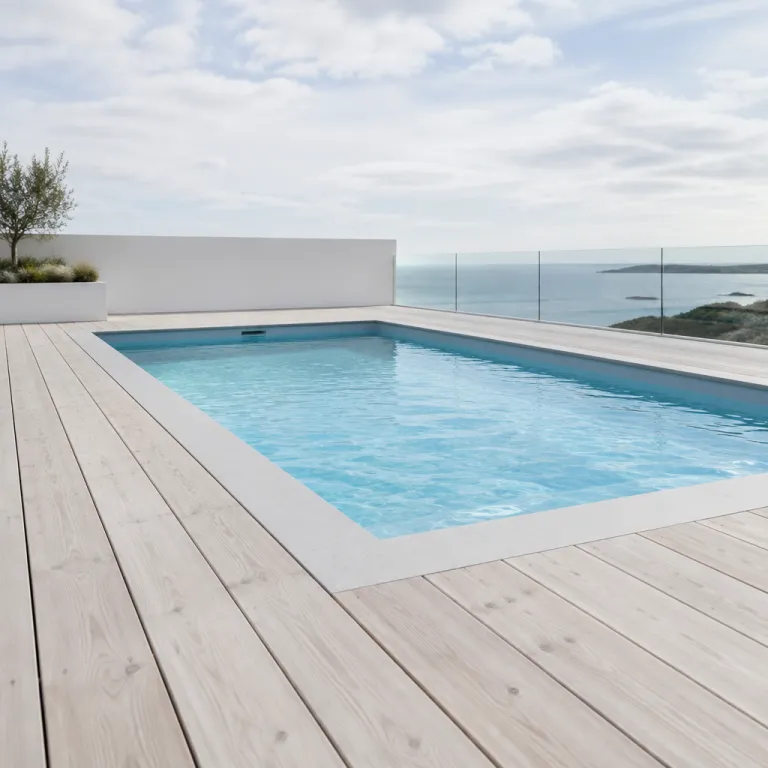
From status symbol to standard amenity: how private pools went mainstream
Once, a private pool signalled rarefied luxury and near cinematic seclusion. Today, the phrase appears across booking engines, from flagship luxury hotels to mass market pool hotels where dozens of pool suites line the same courtyard. For travelers, the shift from scarcity to saturation makes the main question less about labels and more about what the water actually delivers in terms of privacy, romance and restorative quiet.
Large resorts learned that adding plunge pools to entry level rooms boosts perceived value, so private pools now appear in mid tier brands from the Caribbean to Southeast Asia. Marriott’s W Bali, for example, reports that villas with pools consistently sell out first, even in shoulder season. At the same time, luxury hotels quietly refined their most exclusive pool suites, focusing on sight lines, sound insulation and the way each pool area frames the landscape for couples or solo guests. The result is a split market where the same words — private pool, plunge pool, pool suite — can describe either a serene sanctuary or a glorified balcony tub.
For couples planning a stay, the challenge is decoding which hotels still treat water as a true luxury and which simply bolt plunge pools onto standard rooms. A resort may advertise dozens of private pools, yet the guest to pool ratio and density of rooms around each pool area can erode any sense of privacy. Understanding how private plunge features are integrated into the architecture is now as important as comparing room sizes or suite categories, especially as private pool hotel luxury becomes a mainstream expectation rather than a rare perk.
What “private” really means: density, sight lines and sound
On a listing page, the words private pool or pool room look reassuringly simple. In reality, privacy depends on how many rooms share the same pool area, how close neighboring suites sit and whether anyone above can look straight into your water. As one resort architect in Santorini notes, “the real benchmark of a private pool is not the wall height, but how many other eyes can reach the water.” In other words, the new luxury standard is not the presence of pools, but the absence of other guests in your field of vision.
Start by reading the site plan or gallery as if you were a hotel architect, looking for clues about density and sight lines. If multiple pool suites appear in a neat row, each with a plunge pool pressed against the same terrace wall, you can assume sound will travel and privacy will be partial at best. By contrast, when resorts carve plunge pools into the hillside or stagger pool suites around curves, they create angles where couples can swim, talk and stay late outside without feeling observed. At properties like Grace Hotel in Santorini or Aman’s cliffside retreats, you’ll often see pools tucked into alcoves rather than lined up along a single façade.
Sound is the second test of genuine privacy, especially in pool hotels that market themselves as wellness focused retreats. Thin walls between rooms, echoing courtyards and hard surfaces around the pool area amplify every splash and conversation. A 2023 survey by a boutique hotel consultancy found that noise complaints rose by nearly 20% when plunge pools were added to shared courtyards without acoustic planning. Before you book, look for reviews that mention noise from neighboring private pools, and use detailed guides to exclusive stays — such as refined hot springs and private water retreats — as benchmarks for how quiet a truly private plunge can feel.
How to read listings: guest to pool ratios and the architecture of seclusion
Evaluating modern private pool hotel exclusivity means going beyond the hero shot of a turquoise infinity pool. Count how many rooms or suites share each pool, then compare that number with the total key count to understand the guest to pool ratio. A luxury hotel with twenty suites and ten private pools offers a very different experience from a mega resort with three hundred rooms and thirty plunge pools stacked along the same façade. As a quick rule of thumb, aim for no more than three rooms per pool if you want a genuinely secluded experience.
Architecture tells you as much as amenities about whether a pool suite will feel genuinely secluded. Cliffside properties in Greece, for example, often carve plunge pools into the rock so that each room private terrace faces only the sea, while pathways and service routes run discreetly behind. When you read in depth guides to hotel rooms with private pools in Greece for discerning travelers, you will notice how often the best suites pool layouts hide entrances from the main walkways and keep service doors out of sight.
Look closely at whether the pool room sits at ground level, where passing guests and staff may cross your line of sight, or higher up with controlled access. Infinity pool designs can be spectacular, but if the lip of the water faces a busy resort path, the drama comes at the cost of discretion. For couples who value quiet, the perfect place is usually a suite where the pool area is slightly oversized for the room category, yet visually underexposed to the rest of the resort. A simple checklist helps: count rooms per pool, check elevation, scan photos for railings or paths in front of the water and read the most recent noise reviews.
Why small key counts win: when six to twenty rooms beat mega resorts
In the era when private pools have become a mainstream luxury, the most meaningful sense of exclusivity often comes from small numbers, not big brand names. Properties with six to twenty rooms or suites can calibrate guest flows, staff attention and pool maintenance in ways that sprawling resorts rarely match. For couples, that translates into water that feels personally cared for and a stay where you rarely share corridors or breakfast spaces with more than a handful of other travelers.
Smaller luxury hotels tend to design each suite or pool suite as a distinct habitat rather than a repeated module, which changes how private pools function. Instead of identical plunge pools lined up like cabanas, you might find one suite with a shaded plunge pool for midday swims, another with a sun drenched infinity pool and a third with a partially indoor pool room for cooler evenings. This variety allows guests to choose the exact experience they want, whether they travel as a couple or solo, and it explains why intimate pool villas in places like Ubud or the Maldives often sell out months ahead of larger resort rooms.
From an operational perspective, a compact resort can schedule cleaning, room service and wellness focused treatments around guest rhythms, so staff rarely appear unannounced near your room private terrace. One general manager of a twelve suite island lodge describes it as “designing the day around when guests are most likely to be in the water.” Loyalty programs increasingly recognize this, and guides to earning and burning points at private pool hotels that accept rewards programs highlight how intimate resorts often deliver better real world value than headline grabbing mega properties. When you explore picks in this size range, you usually find perfect alignment between the promise of privacy and the reality of your pool suites.
Location, branding and the next markers of true exclusivity
As private pool stays become the norm, location and context now separate marketing from meaning. A pool suite in a high rise hotel in las vegas, for example, offers a different kind of privacy from a pool villa in a remote island resort, even if both advertise private pools and similar room sizes. In dense urban settings like vegas, genuine seclusion depends on glazing, elevation and how the pool area is shielded from neighboring towers, while in remote destinations the main concerns are wind, exposure to public beaches and the distance from shared facilities.
Resort brands across the Middle East, Africa and island destinations are racing to add private plunge features, from plunge pools on terraces to full length lap pools attached to signature suites. Luxury hotels in these regions increasingly pair water with wellness focused programming, so your stay might include in suite spa rituals, cold plunge pool sessions and guided stretching on the deck before breakfast. For couples, the most compelling experience is often the one where the suite, the pool and the landscape feel like a single, coherent space rather than a checklist of amenities, whether that means desert facing plunge pools in Oman or jungle wrapped pool villas in Zanzibar.
As the label private pool loses its edge, new markers of distinction emerge: low guest to staff ratios, thoughtful sound design, and the sense that your water is truly yours for the duration of the stay. When you try to find the perfect balance between access and seclusion, focus less on how many pools a hotel lists and more on how each pool is framed, serviced and protected from view. In this new landscape, the perfect place is not the resort with the most pools, but the one where you can slip into the water at midnight and feel, for a moment, that the entire property has gone quiet around you.
FAQ
How can I tell if a private pool is really private before booking ?
Study photos and maps to see how many rooms overlook each pool area and whether higher floors can see down into your terrace. Check reviews for comments about noise, overlooked decks or staff passing frequently near private pools. When in doubt, email the hotel and ask directly about sight lines, fencing and whether your pool suite shares walls or terraces with neighbors, and request a room on the quietest side of the property.
Are plunge pools worth the premium compared with standard rooms ?
Plunge pools are usually smaller than full length pools, but they add a powerful sense of seclusion and spontaneity to a stay. For couples who value quiet time together, the ability to swim or sit in the water without leaving the room private terrace often justifies the extra cost. If you plan to spend most days exploring rather than relaxing in the resort, a well located standard room in a luxury hotel may offer better value, especially if the main shared pool is large, quiet and adults only.
Do large resorts or small properties offer better pool privacy ?
Small properties with six to twenty keys generally deliver stronger real privacy because they manage guest density and staff movement more precisely. Large resorts can still offer excellent seclusion, but you need to choose carefully among room categories and locations within the property. Look for suites pool options at the edge of the resort, away from main paths and shared pools, and check the resort map to avoid clusters of identical plunge pools facing each other.
What should couples prioritize when choosing a private pool hotel for a romantic trip ?
Focus on how the pool integrates with the suite layout, not just its size or shape. A well designed pool room with direct bedroom access, sheltered seating and minimal overlooking windows usually feels more intimate than a larger but exposed infinity pool. Read reviews from other couples and prioritize mentions of quiet, privacy and attentive but discreet service, then cross check photos to confirm that the pool area is screened from neighboring terraces.
Is a private pool in a city hotel as relaxing as one in a remote resort ?
A city hotel pool can be atmospheric, especially in places like las vegas where skyline views add drama, but it rarely matches the deep quiet of a remote resort. Urban pools often face more light, sound and neighboring buildings, which can reduce the sense of escape. If your priority is wellness focused rest, a lower key resort with fewer rooms and carefully screened pool areas will usually feel more restorative, even if the pool itself is smaller or less dramatic.